

There's a particular kind of heartbreak that you feel when you take out a record you haven't played in years, only to discover it's warped, faded, scratched, or sitting in a sleeve that's seen better days. This happens to beginners with a dozen records stacked on a windowsill just as often as it happens to collectors with shelves full of records.
The key to keeping your collection from falling apart is pretty simple. Vinyl doesn't demand much; just don't treat it like a stack of pancakes. Below, we'll walk you through the simple steps you must follow when storing your vinyl records.
How to Store Your Vinyl Records in 5 Easy Steps
1. Choose the Right Environment
Before thinking about shelving or what type of furniture to buy, think about the room itself. Vinyl needs a cool, dry, and dark place, ideally somewhere close to room temperature or even lower. Heat is the enemy of vinyl record storage. Leaving a record near a radiator, window, or under direct sunlight will cause the record to become warped.
You should also never overlook humidity, as it can lead to mold growth, warping, moisture buildup, and damage to the sleeves. If you have doubts about the place you've chosen, use a hygrometer to check humidity levels to be sure.
Garages, basements, outside storage sheds, and attics aren't the best places to store vinyl records because of their temperature swings and humidity levels. A closet or spare room in your living space will almost always beat a "storage" area that isn't built to store anything delicate.
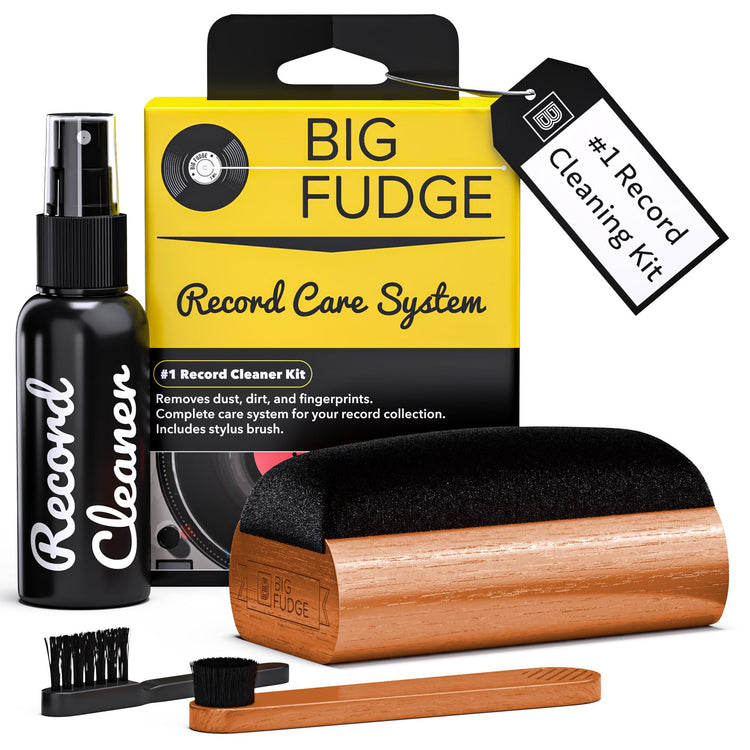
Cleaning & Maintenance Kit
Clean right and your collection will last a lifetime.
Shop Now2. Keep Them Clean and Properly Sleeved
A record collection stays in good shape when it's cleaned and sleeved before being stored. Using shirts and other random rags isn't recommended because they just move dirt and dust around rather than remove it.
Always clean your vinyl with a record brush and vinyl cleaning solution. Our Complete Vinyl Cleaning & Maintenance Kit contains everything you need to keep your vinyl clean and protected. After cleaning the record, it needs to be returned to its sleeve. The only time a record should be out of its sleeve is when it's actually playing on your turntable.
Plastic protective sleeves are worth the small investment, since paper alone tends to wear out quickly and won't protect against dust as well as plastic. Original sleeves should be replaced if they're falling apart, as they may ruin the record they're supposed to protect.

3. Choose Shelving That Can Handle the Weight
Vinyl records are heavy, and shelves that can't handle their weight will turn your vinyl collection into a pile of broken records. Milk crates have been a classic choice for years because of their strength, stackability, aesthetic, and affordability. Keep in mind that anything you choose needs to support weight without sagging.
For something more durable, solid wood shelving and record furniture provide a permanent home for your collection. The same shelving that holds your records can also display your favorites, too, from a-ha's Hunting High And Low to George Clinton's Dr. Funkenstein Action Figure. Displaying your favorites means your collection reflects your personality as much as your taste in music.
4. Use Sturdy Boxes for Long-Term Storage
If some of your collection doesn't need to be accessible every day, durable plastic boxes make a reliable long-term storage solution. Well-made boxes are stackable and will keep your records safe and sound for many years without taking up much space.
When selecting boxes, ensure the box is square inside. While rounded corners may look good, they can cause records to slowly take that shape, resulting in warped records. Round corners on the outside won't do any harm, but round corners on the inside will definitely do.
Remember that boxes sacrifice convenience for protection. If you're constantly pulling records out to play or show off, boxes aren't the right system for your main collection. However, they're excellent for overflow, storage units, collectibles, or anything you're not reaching for every week.
5. Handle with Care
Even the best storage system won't save a record from bad handling habits. Hands carry oil, dirt, dust, and moisture, all of which end up on the vinyl and in the grooves. Washing your hands before touching your collection is worth the ten seconds it takes. You should also always handle your records by the edge and the label.
If you're building out your setup, a reliable turntable like the Audio-Technica AT-LP70XBT paired with something like the Edifier R1280DB Bookshelf Speakers ensures that your efforts at storage are rewarded by quality sound and not just shelf appeal.
Our breakdown of Audio-Technica LP60X is worth a read if you're still considering turntable options. If you're new to the vinyl format, our blog post, "How Does a Turntable Work?", covers the basics you should know before you dive in.

5 Helpful Tips to Remember When Storing Your Vinyl Records
1. Keep Records Away From Radiators and Windows
Heat and direct light are two of the fastest ways to ruin a record. Storing your vinyl near a radiator or window may seem harmless, but temperature swings can warp vinyl over time, and UV exposure will fade and degrade sleeves faster than almost anything else. Windows and radiators are also common sources of leaks, which can damage an entire collection.
2. Avoid Cold External Walls
It may seem logical to place shelves on an exterior wall, but cold exterior walls are very susceptible to condensation, which will attract mold growth. Low airflow and minimal light make it the perfect environment for mildew and pests like silverfish. Mold and moisture not only impact the sleeves, but can also work their way into the grooves themselves. An interior wall is almost always the safest bet.
3. Protect Records From Accidental Damage
Damage doesn't always come from temperature or humidity changes alone. Your records may be damaged by a collapsing shelf, a box being knocked over, or vibrations from a washing machine.
Vinyl collections can be quite heavy, and a collapsing shelf or box can undo years of careful storage in seconds. Selecting durable furniture that can handle the load and storing your collection somewhere it won't get bumped, dropped, or rattled helps prevent disasters.
4. Always Keep It Vertical
It's important to always store your records vertically rather than horizontally. Stacking puts direct weight on the vinyl, and over time, that pressure warps records. Placing records vertically ensures that each record bears its own weight, not the total weight of all the records on top of it.
5. Dividers Help
If you want to keep your records from warping or from turning into a leaning tower of vinyl, you will need dividers. Dividers break up long rows. Without them, records at the end of a shelf end up bearing the weight and pressure of other records leaning against them. And as you may have guessed, this is a slow but steady path to warping.
Wooden or felt dividers provide necessary support for smaller sections of records and help you organize your collection by genre, such as pop & rock, metal, folk, and jazz.
And once your shelves are organized, you might find yourself with more room than expected, which is always a good excuse to go searching for new vinyl records. Our guide, "How to Find Rare Vintage Vinyl Records", is a great place to start.

Frequently Asked Questions
How Should I Store My Vinyl Records Long-Term?
Store your records upright in a cool, dry environment, ideally at room temperature and not very humid. Use strong shelving or airtight plastic storage containers with square interior edges. You should stay away from attics, basements, storage units, and garages, where temperature and humidity can fluctuate significantly.
Do Vinyl Records Require Any Specific Sleeves When They're Stored?
Yes, plastic sleeves ensure better protection of both records and album covers than paper sleeves. Paper sleeves wear out quickly and offer little defense against dust, but plastic inner and outer sleeves are a small, inexpensive upgrade that extends the life of a collection. Do not use heavy PVC sleeves, as they could damage the records.
How Much Does Proper Vinyl Storage Cost?
Depending on the size of your collection, you can choose between affordable milk crates and more costly wood shelves or dedicated furniture, which will serve you for many years. Whatever option you choose will be better than leaving your records exposed, as the damage caused to vinyls is much more expensive than their storage.
How Much Shelving Space Do I Need for My Vinyl Collection?
Since each vinyl record requires 12 inches of clearance while being stored in an upright position, this is the height you should keep in mind when planning. Horizontally, about 70 to 80 LPs fit per linear foot of shelving, so counting your collection will help you estimate how much space you need.
How Many Vinyl Records Fit on One Shelf?
This depends on the shelf's length. However, 70 to 80 LP vinyl records should fit in a linear foot of shelving if they're shelved vertically and properly divided. All you need to ensure is that the shelf has a vertical clearance of at least 12 inches.
Conclusion
Maintaining your vinyl record collection comes down to a few practices. Always store your records vertically, keep your collection in a cool, dry area, handle your records only with clean hands, and use storage shelves that actually do what they're designed for.
It doesn't matter whether you have a milk crate housing a dozen records or a wall full of wooden shelves; the same habits protect both. A little care now means your records, and the memories attached to them, will still be worth pulling out years from now.